2025
Jhody
Polk
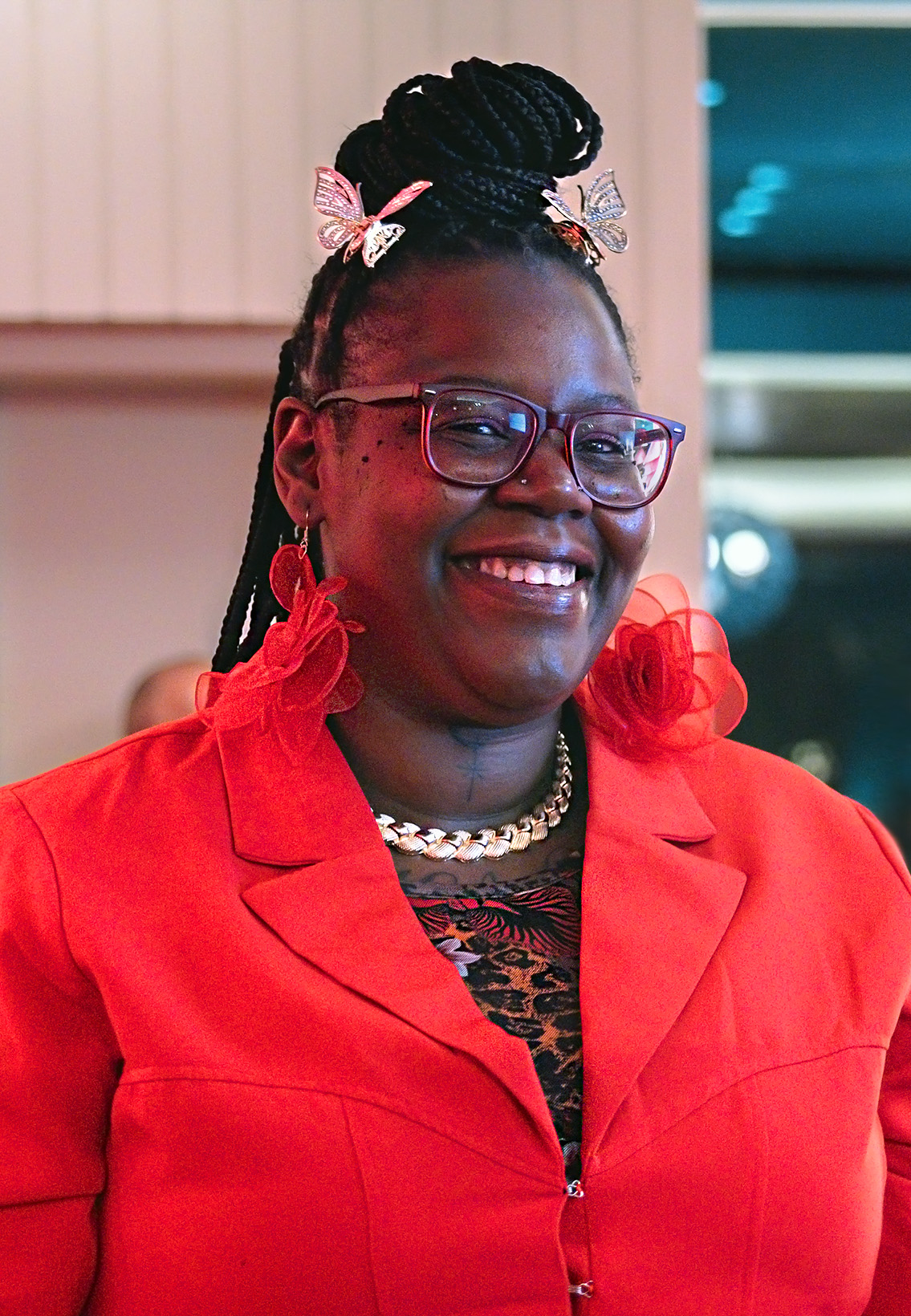
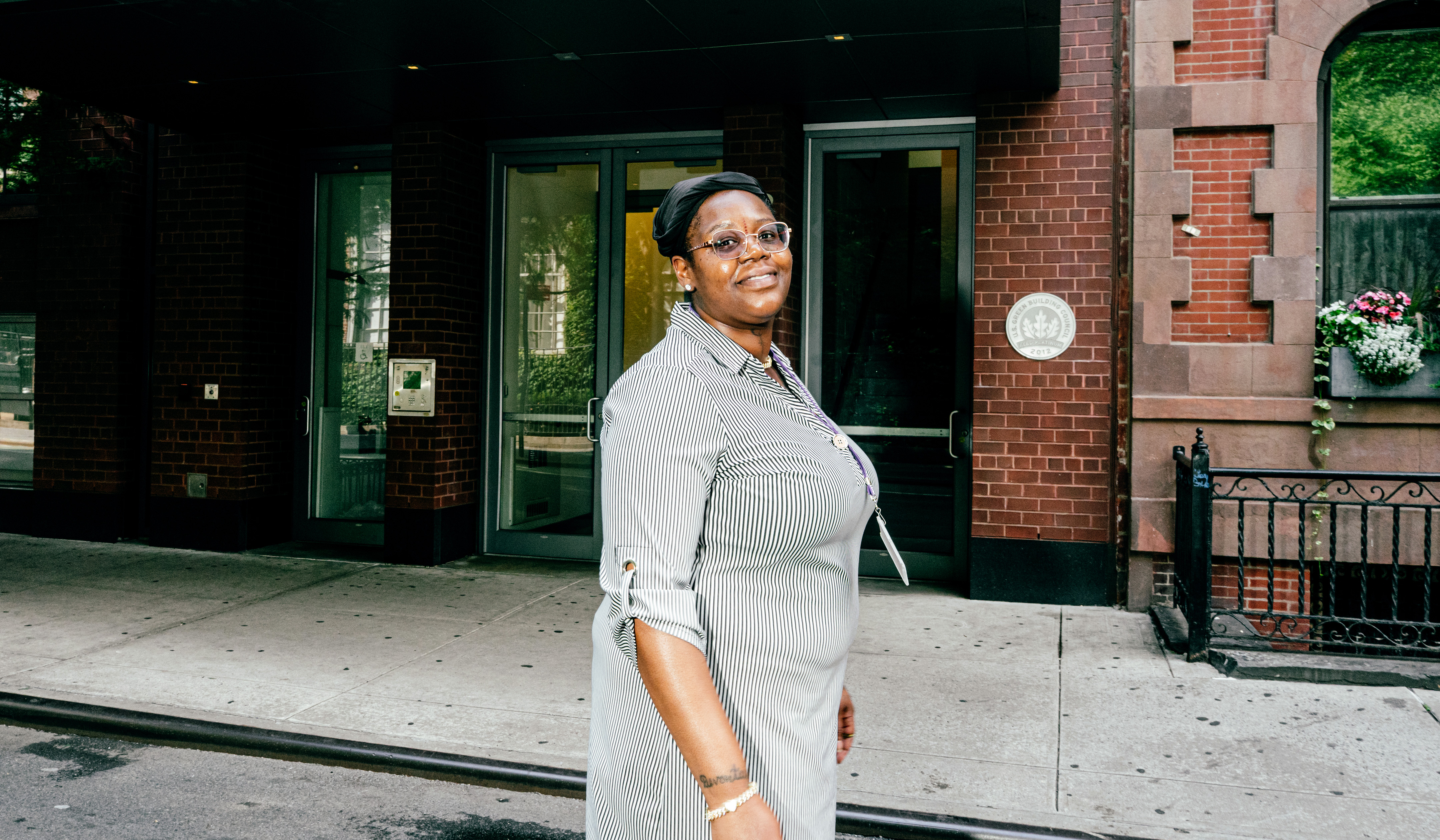
In 2017, Jhody Polk boarded a plane for the first time in her life. At 33 years old, she left her hometown in Florida and headed over 1,000 miles north to New York City — answering a call that had always lived inside her.
“I felt it in my bones that New York was big enough to house me and my dreams,” she recalls. “I swear when I got off that plane and got in my Lyft driving through the city, I immediately understood within me that I hadn't chosen this dream, but life and God had chosen me. I was exactly where I needed to be.”
Jhody’s journey to that moment was anything but ordinary. She learned the law not through school, but in prison. While serving an eight-year sentence in Florida, she walked into the law library and into a world that would reshape her life. There, she met jailhouse lawyers: self-taught incarcerated individuals, many serving life sentences, who helped others navigate the justice system.
For Jhody, it wasn’t just an introduction — it was a calling. Legal concepts came naturally to her. She began studying to understand her own case and help others understand theirs.
By the time she stepped foot in New York for a convening hosted by the National Council for Incarcerated and Formerly Incarcerated Women and Girls, Jhody had been home for three years, navigating the complexities of reintegration. She didn’t yet have the language to describe her work, but over time, she found it. In 2019, she discovered the legal empowerment movement that encourages everyday people to learn, use, and shape the laws that affect their lives.
“I recognized that the first step to shaping the law is knowing it,” Jhody says. “The legal empowerment cycle says you have to know the law to use it, and you have to use it to shape it.”
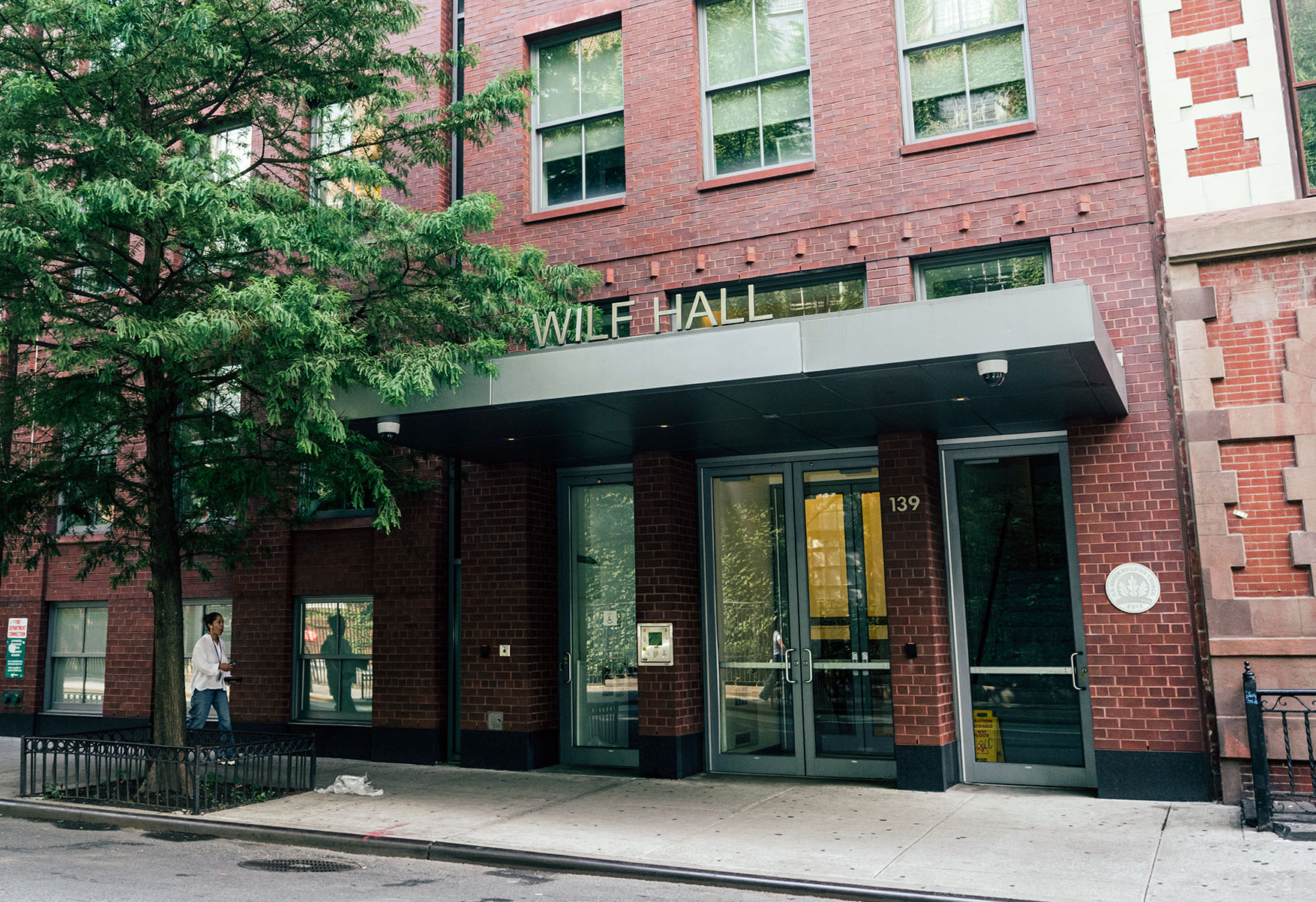
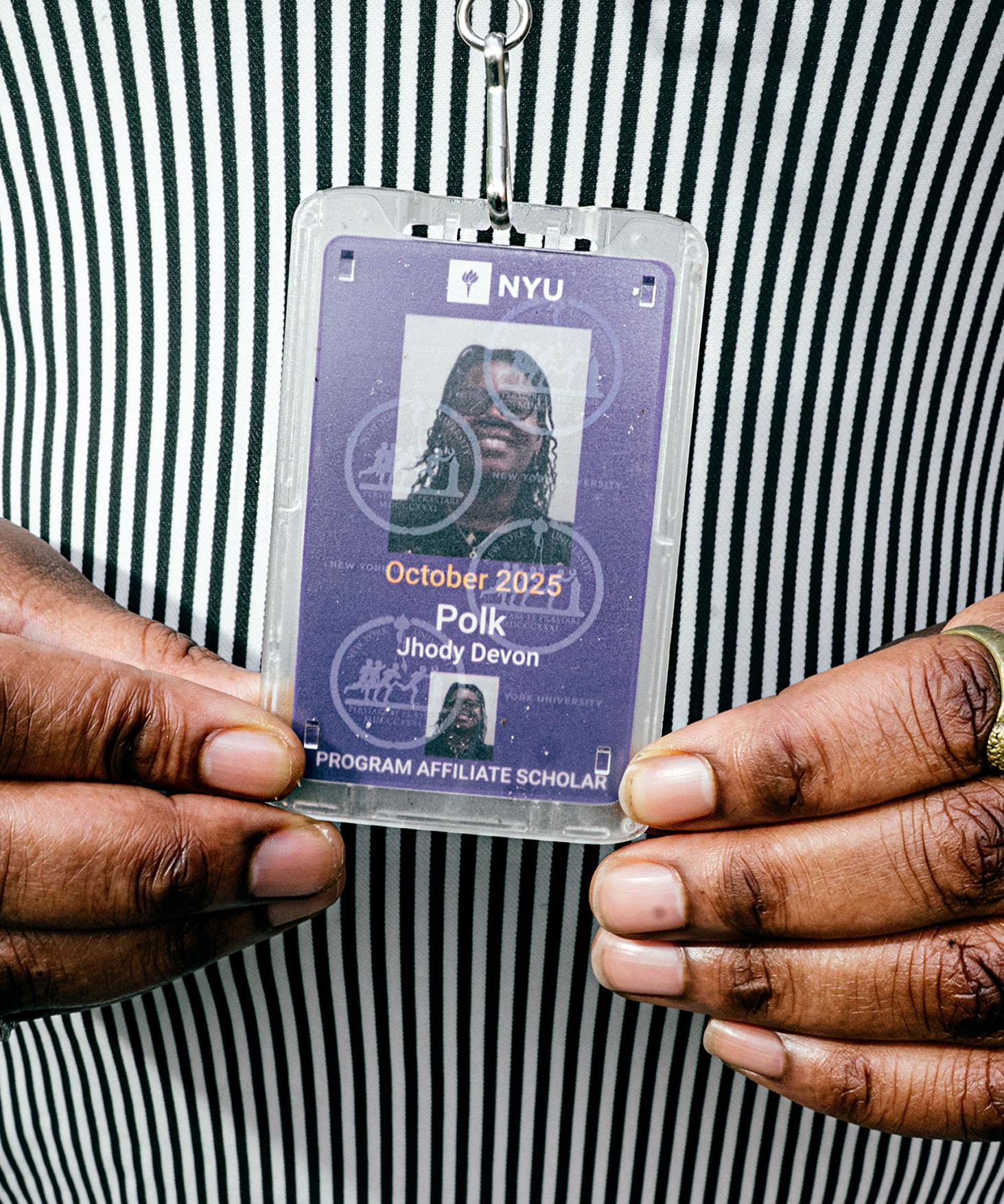
There she found the same kind of community she’d had with jailhouse lawyers in prison. These experiences, paired with her training in participatory defense, planted the seeds for what would become the Legal Empowerment and Advocacy Hub (LEAH). Its flagship project, the Jailhouse Lawyer Initiative (JLI), is now housed at NYU School of Law through the Bernstein Institute. JLI supports legal education inside prisons and empowers incarcerated people to return those skills to their communities.
“I recognized that the first step to shaping the law is knowing it,” Jhody says. “The legal empowerment cycle says you have to know the law to use it, and you have to use it to shape it.”
Today, a decade after her release, Jhody calls New York City home. She’s emerged as one of the country’s leading voices in the legal empowerment movement and is one of the five 2025 David Prize winners. Her vision? To expand access to the law not just for incarcerated people, but for all New Yorkers.
Growing up in Gainesville, Florida, Jhody always had a natural curiosity and knack for learning. She found refuge in the library and thought of becoming a teacher when she’d grow older.
But school was challenging. It wasn’t that she was incapable. Rather, she struggled to co-exist between two starkly different worlds: the isolated Black neighborhood she came from and the wealthier, white environment she was bused into for school.
By the time she reached her teens, her parents had divorced and she became more focused on fitting in with her peers. Her mother was working nights and Jhody, the oldest and only daughter, was expected to hold the household down. She remembers the moment she stopped seeing herself through her own eyes and began seeing herself through the lens of others.
“I stood in the mirror and thought, ‘I don’t want to be you.’ Because I couldn’t fit into the pretty girl mold, I became the tough girl.”
At 23 years old, shortly after giving birth to her second child, Jhody was convicted on several felony charges, stemming from acts committed while she was under the influence and trying to raise bail money for her child’s father.
“My mindset at the time that I committed the crimes was love,” she said. “My daughter’s father, a guy that I wanted so badly to love me, needed me, and I was willing to do whatever it took to get him out.”
Jhody always felt like she was on two paths – “make it out of the hood or triumph the hood” – and this was a turning point. She felt like she was fated to be the “tough, hard queen of the city” after the experience. But prison held unexpected revelations. “I didn't find criminals and hard, born killers in prison,” Jhody says. “Women were artists, poets, mothers. They were healed. They loved each other and it was the first time I ever had a healthy relationship with women in my life.”
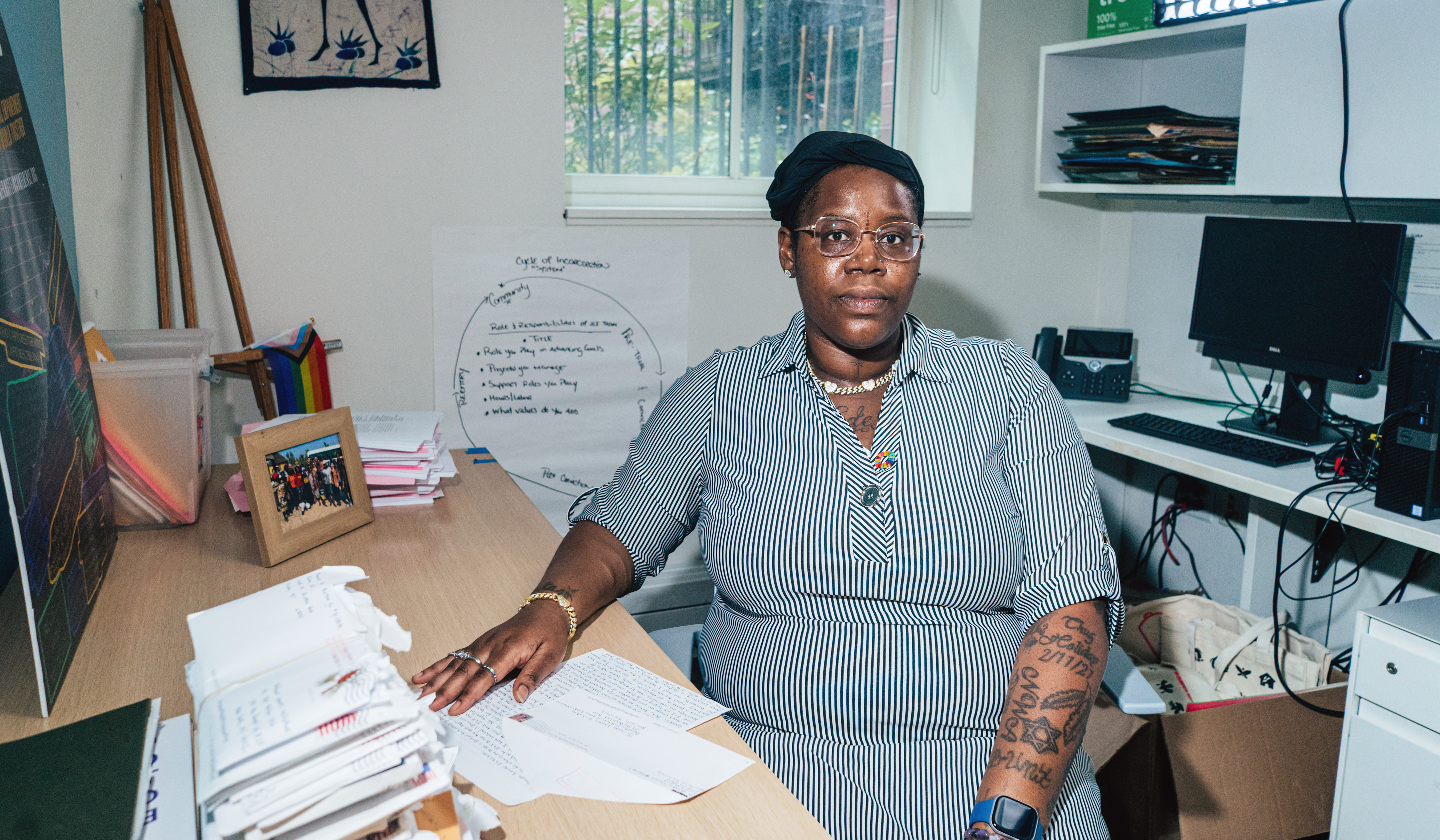

Before prison, Jhody only understood the law as a tool of punishment. Inside, she discovered its potential to protect.
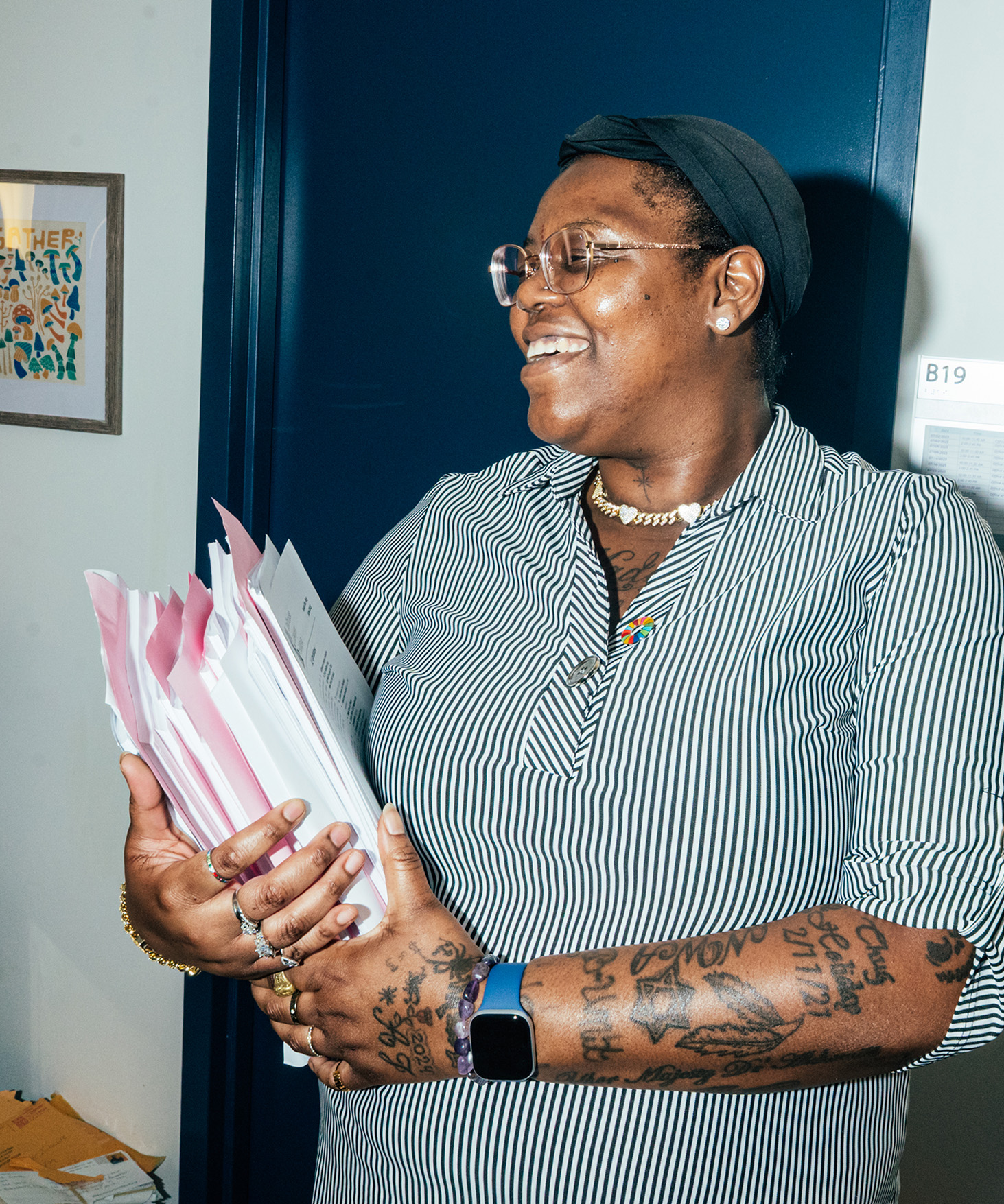
The first time Jhody encountered the law library came at Lowell Correctional Institution, the largest women’s prison in the country. It was the first time she’d ever hear words like ‘beggar’s motion,’ or ‘judge’s discretion.’ She was captivated by the jailhouse lawyers. “They might have the same uniform everyone else was wearing, but they shined,” Jhody says.
A year later, she became a law library secretary at Gadsden Correctional Institution, eventually completing her training to become a certified law clerk. Her specialty was breaking down complex legal problems in a way her peers could understand, helping cases from child custody battles to challenging illegal sentences.
Before prison, Jhody only understood the law as a tool of punishment. Inside, she discovered its potential to protect. "While learning the law I understood that had myself and others had this knowledge earlier, it could have prevented our incarceration all together,” Jhody says.
By the time she was released, she had shed her old identity. She was eager to become a lawyer, but her homecoming wasn’t entirely what she was expecting.
“Within six months, I'll never forget feeling like I want to go back to prison,” she said. “It took me a long time to understand that it wasn't that prison was better, but prison was easier.” What she missed wasn’t the confinement, it was the community. Eventually, she found it again on the outside — first through activism in Florida, helping to restore voting rights to formerly incarcerated people, and then through that pivotal trip to New York.
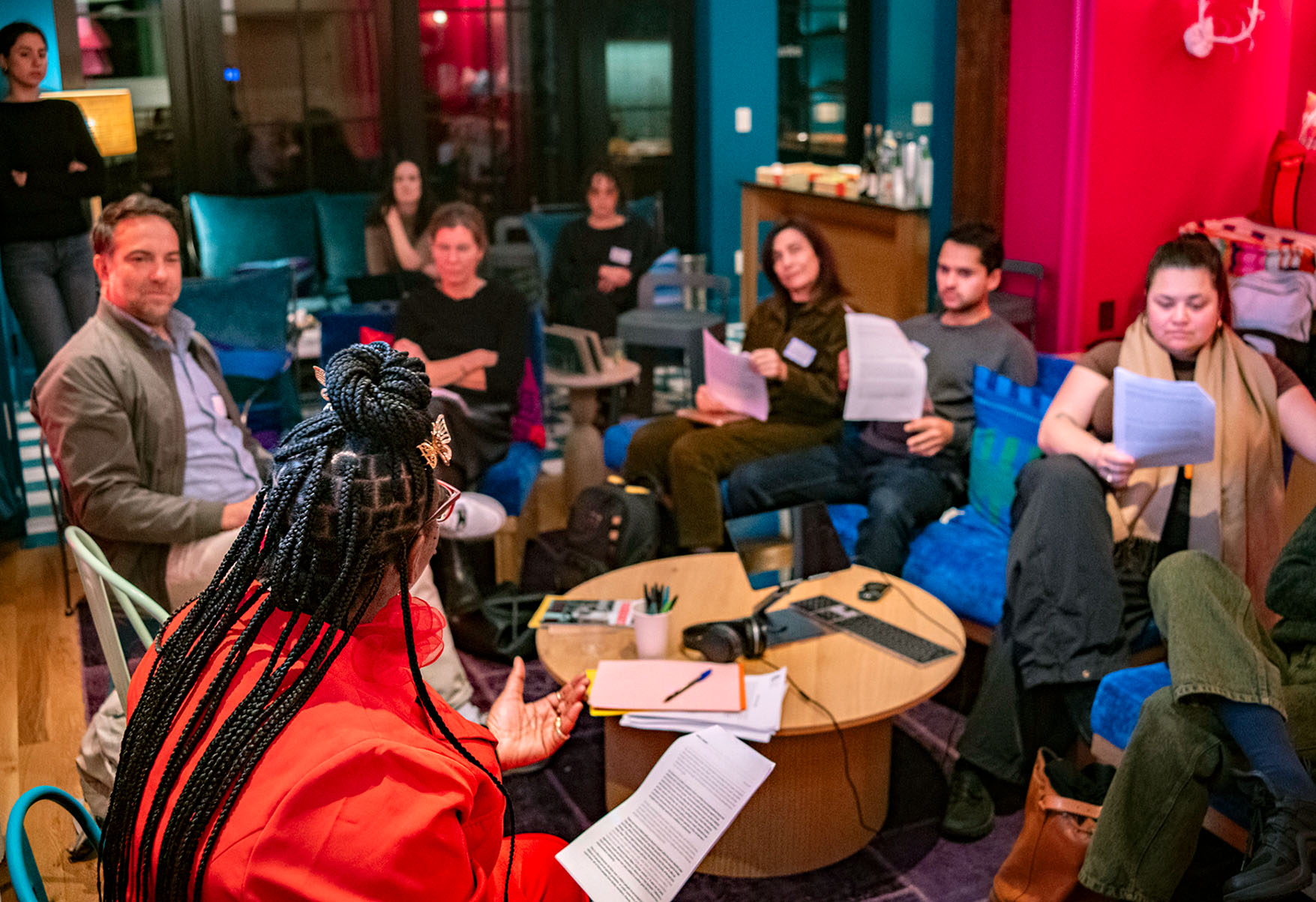
Today, JLI has a network of over 1,200 connected jailhouse lawyer members across the country.
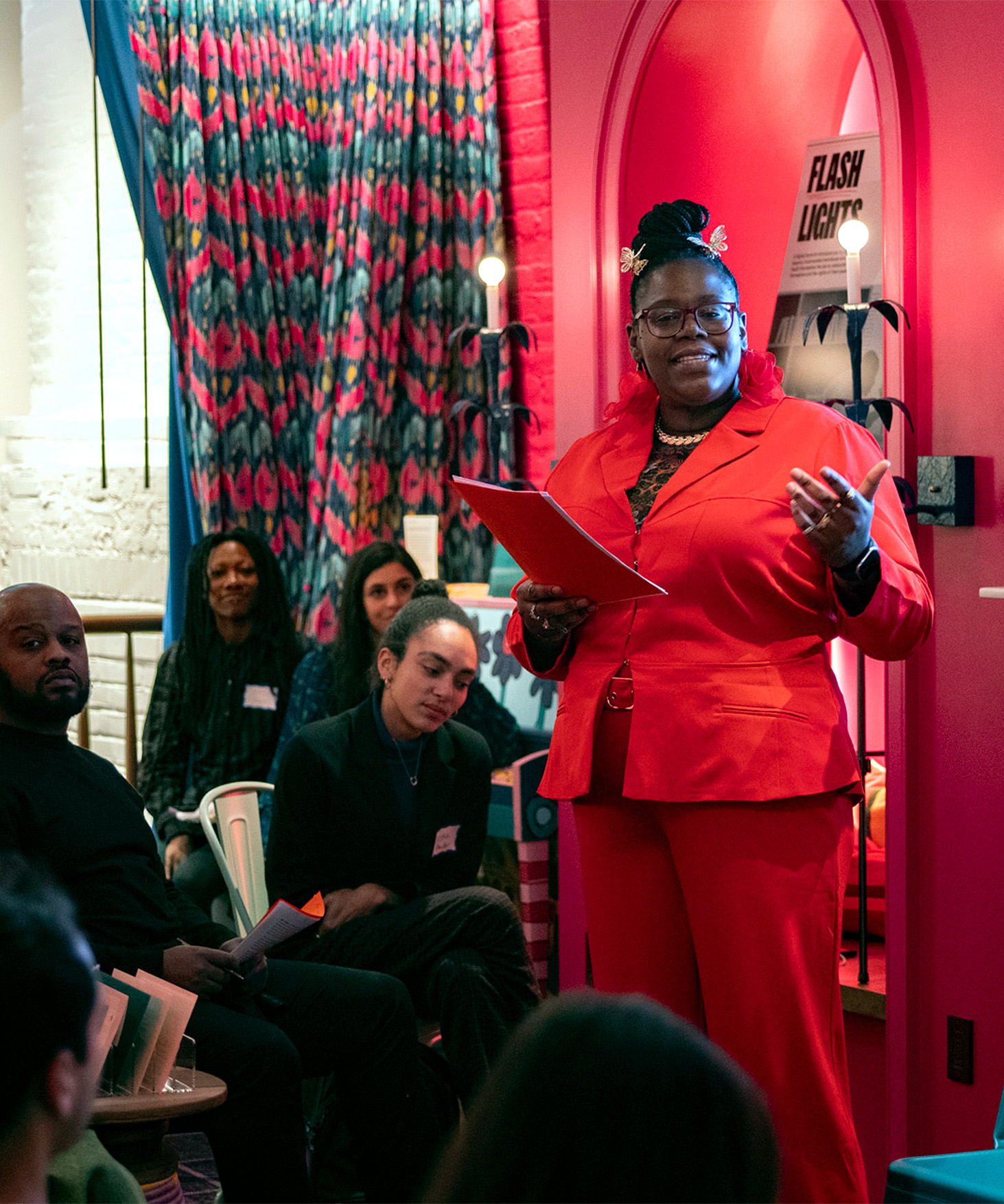
In 2018, Jhody was named a Soros Justice Fellow, and JLI was born out of that fellowship. The initiative has worked to give jailhouse lawyers visibility and centers them as vital parts of the legal ecosystem, offering them legal education, training, and support that is often out of reach.
Initially, Jhody envisioned partnerships with law schools to bridge the gap between legal academia and incarcerated legal workers. She quickly learned that law schools don’t always adequately teach future lawyers about the social and emotional needs of the communities they serve.
“I never imagined this ripple effect of how it would affect our future lawyers,” Jhody says. “They're taking legal empowerment and the lived experience that they get from organizing with our incarcerated members back to their communities and their legal profession.”
With these newly formed connections JLI created its own education model. It has a national curriculum built by jailhouse lawyers, law students, attorneys, judges, and formerly incarcerated people. The collaboration would lead to 11 national legal education modules that teach what the law is, how to use it and how to shape it.
“I’m a real Black woman from the streets, and I made it here. I didn’t give up my culture, I didn’t give up my identity to be here,” she says.
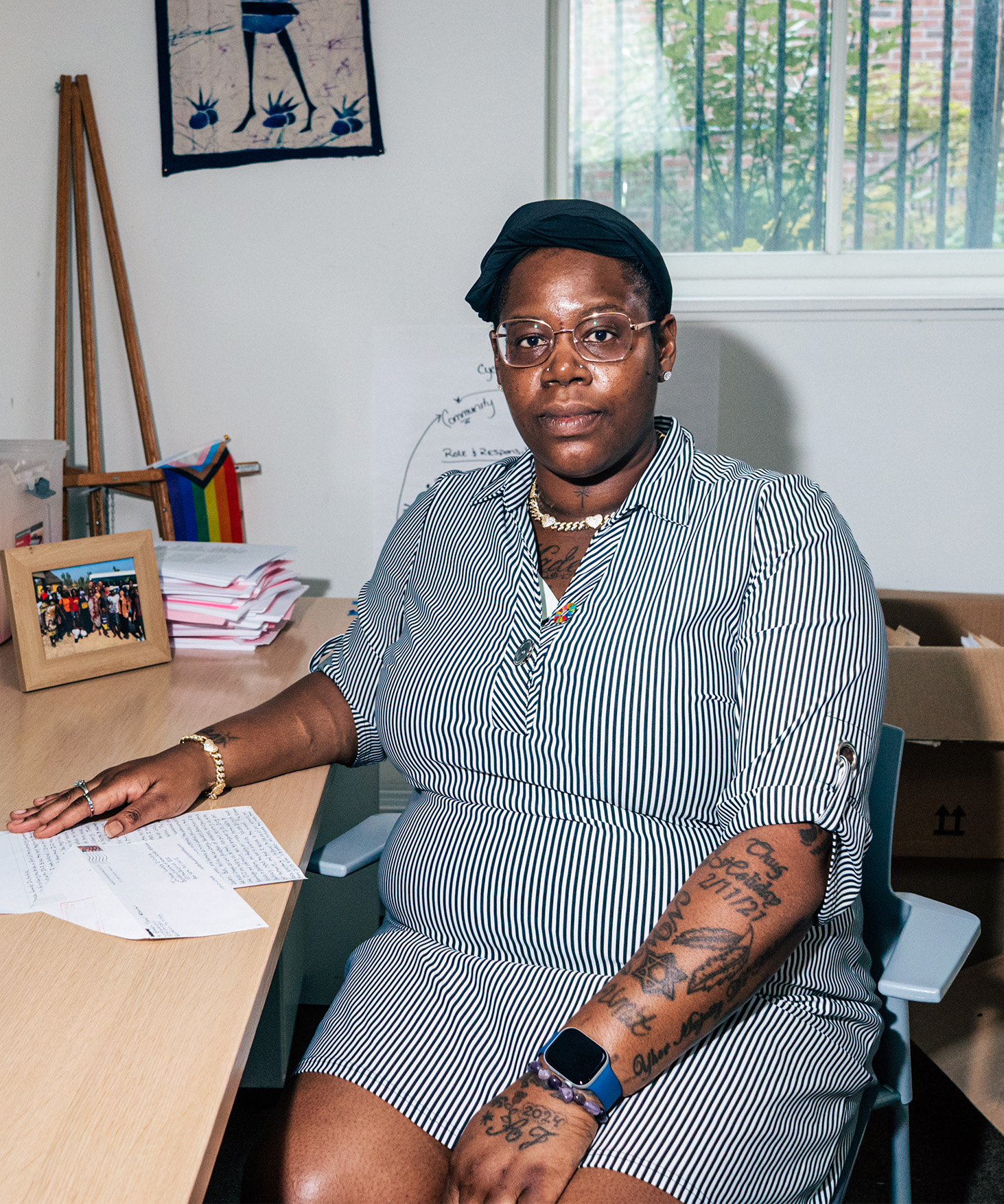
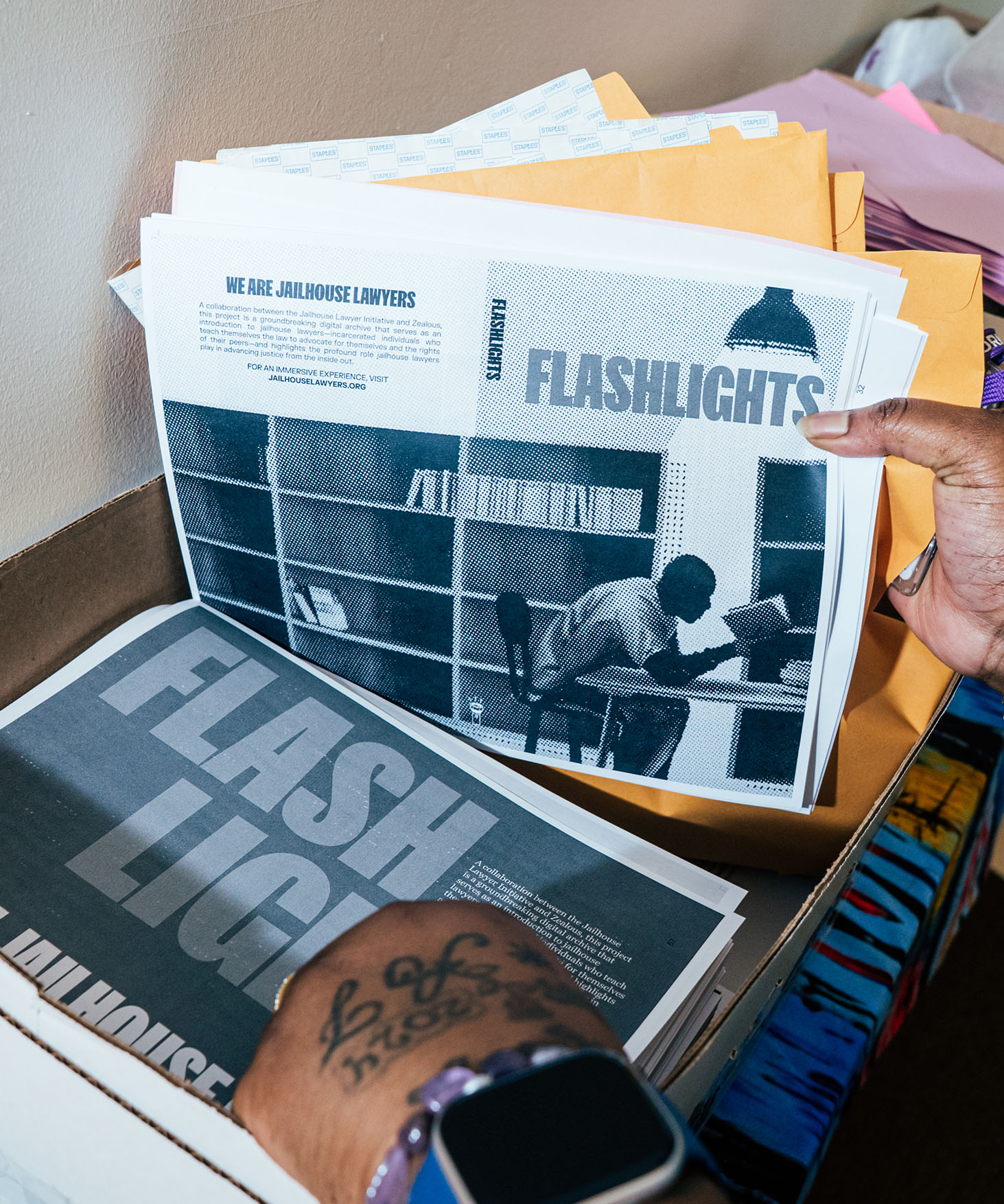
Today, JLI has a network of over 1,200 connected jailhouse lawyer members across the country. Hundreds of them write letters of thanks to JLI for their work. One of its projects “Flashlights” is a digital archive series that showcases some of their illuminating stories and personal reflections from prison.
Jhody’s work spans more than just supporting legal literacy in prisons. JLI helped recruit nine other global organizations doing legal empowerment work in prisons to help launch the International Incarcerated Paralegal Congress to be a formalized working body for incarcerated people.
After struggling to find a law office willing to use her skill set, Jhody started Florida’s first participatory defense hub for her and others to be able to give their legal knowledge to their community. In partnership with public defenders and students from University of Florida Levin College of Law, the model was set up for community members and public defenders to become organizers of the law.
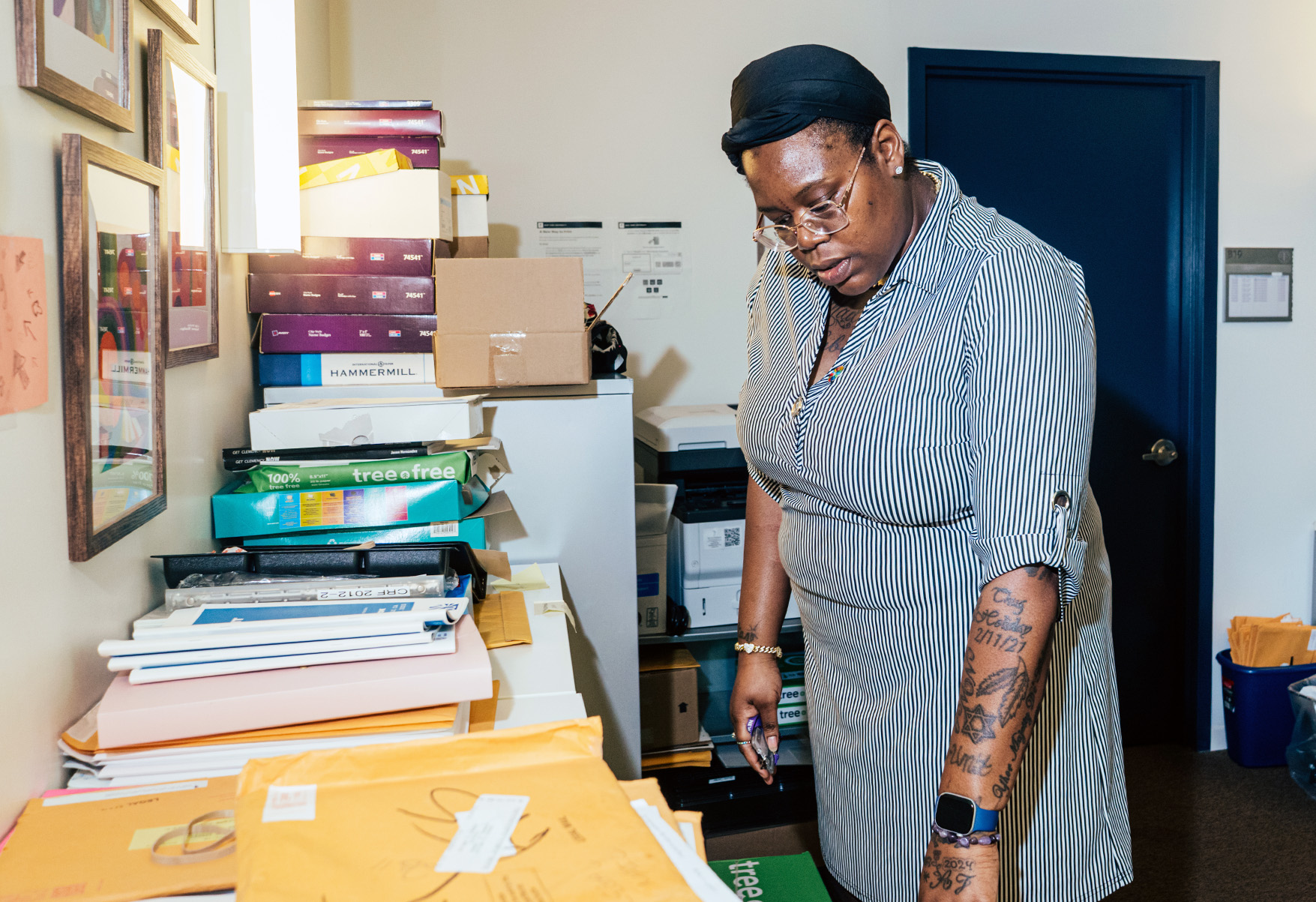
While juggling countless responsibilities, Jhody has earned an associate degree in paralegal studies. She is now completing an advanced paralegal bachelor’s degree at CUNY. Jhody is building a path for professionals like herself — those who don’t work in law offices or hold law degrees — to meaningfully serve their communities. She’s working to create an accredited community paralegal program designed to provide certification for those looking to formalize their training and return their skills back into their communities.
After launching the first LEAH hub in Florida, Jhody is now setting her sights on New York City. Her vision is to establish community paralegal spaces in all five boroughs, where trained advocates help address the everyday legal needs of their neighborhoods. From teaching herself the law in prison libraries to partnering with law schools across the country, Jhody’s journey is one of profound transformation — not just for herself, but for the communities she uplifts. She firmly believes that the law belongs to the people. Through her work, she’s ensuring they have the tools and confidence to access it.
While her list of accolades and awards is extensive, it’s her role as a trusted presence within her own community that brings her the deepest sense of fulfillment.
“Out of all the stuff on my resume, it’s being a community member that is my greatest title,” she says.
Where she once felt caught between two worlds, Jhody now walks confidently in her wholeness — an embodiment of all the layers of her identity.
“I’m a real Black woman from the streets, and I made it here. I didn’t give up my culture, I didn’t give up my identity to be here,” she says. “I’m fully Jhody Polk.”